
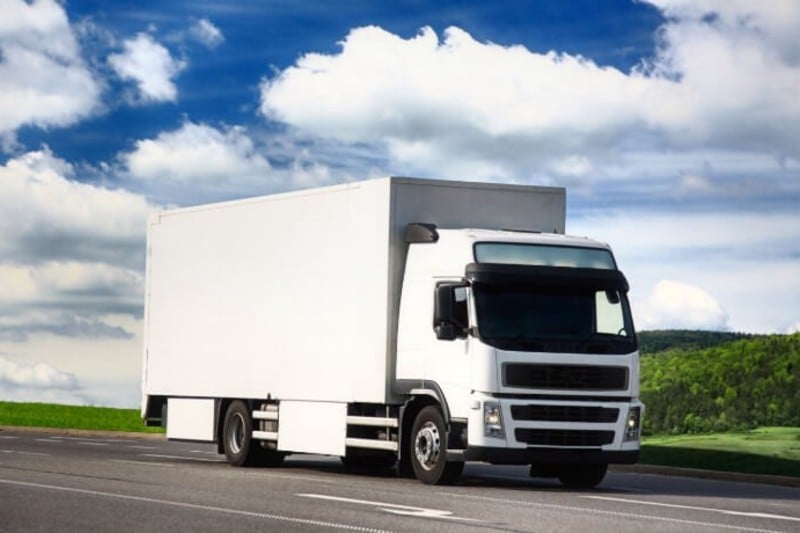
Driving the largest vehicles on the road requires skill, patience, and a specific set of qualifications. If you are considering a career change or looking to upgrade your current driving credentials, the Class 1 licence is the highest standard in the logistics industry. This licence, technically known as Category C+E, allows you to drive articulated lorries with a detachable trailer, handling weights up to 44 tonnes. It is a significant responsibility, but for many, it represents a path to higher earnings and greater job security.
The logistics sector is the backbone of the economy, and the demand for qualified drivers remains consistently high. By obtaining this qualification, you position yourself as a vital asset to supply chains across the country. While the process requires time and financial investment, the long-term rewards often outweigh the initial effort. This guide outlines exactly what you need to do to get behind the wheel of an articulated lorry and start your new career.
Requirements for Obtaining a Class 1 License
Before you can begin your training, you must meet several strict criteria. You need to be at least 18 years old and hold a full car driving licence (Category B). In the past, drivers had to pass the rigid lorry (Class 2 or Category C) test before they could attempt the Class 1 test. However, the government changed legislation in November 2021 to streamline the entry process for new drivers. You can now proceed directly from a car licence to taking your Class 1 test, skipping the intermediate step entirely. This change allows you to fast-track your entry into the industry.
Your first administrative step involves applying for a provisional HGV licence. You will need to order forms D2 and D4 from the DVLA. The D2 form is your application, while the D4 form relates to your medical health. Professional driving demands high physical standards to guarantee safety on the roads. You must arrange a medical examination with a doctor who will complete the D4 form. They will check your eyesight, blood pressure and screen for conditions such as diabetes or heart issues that could affect your driving ability. Once the DVLA processes these forms and returns your licence with provisional entitlement, you are ready to book your theory tests.
Training and Preparation Tips
Training for your Class 1 licence is rigorous because handling an articulated vehicle is far more difficult than driving a car or even a rigid lorry. You need to obtain the Driver Certificate of Professional Competence (CPC) to drive legally for a living. The initial qualification consists of four parts. Module 1 covers theory and hazard perception, while Module 2 focuses on case studies. You must pass both of these computer-based assessments before you can move on to the practical stages. We recommend using online resources and mock tests to familiarize yourself with the questions, as the pass mark is high.
The practical side of your training involves Module 3, which is the driving ability test, and Module 4, which is a practical demonstration. Finding a reputable training provider is critical here. You should look for schools that use modern vehicles and have instructors with solid industry experience. During your practical training, you will learn how to handle the size and weight of the vehicle, plan for the rear swing of the trailer, and manage your speed effectively.
Start Your Journey
Obtaining a Class 1 licence is a challenging but achievable goal that opens up a stable and potentially lucrative career path. The industry needs drivers who are safe, reliable, and professional. If you are ready to commit to the training and pass the necessary tests, you will find yourself in a profession with excellent prospects and the freedom of the open road. Take the first step today by booking your medical and applying for your provisional licence.